

Angela Poirrier
Caring for aging parents often brings one big question to the surface: Is their home still safe enough for the years ahead?
The reality is that most homes were never designed with long-term mobility, balance, or accessibility in mind. According to the Centers for Disease Control and Prevention, falls are the leading cause of injury among older adults, and many of those falls happen at home.
The good news is this: the right renovations can dramatically reduce risk while preserving independence, comfort, and even home value. Here’s where to focus if you want upgrades that truly make an impact.
What Bathroom Renovations Reduce Fall Risk for Aging Adults?
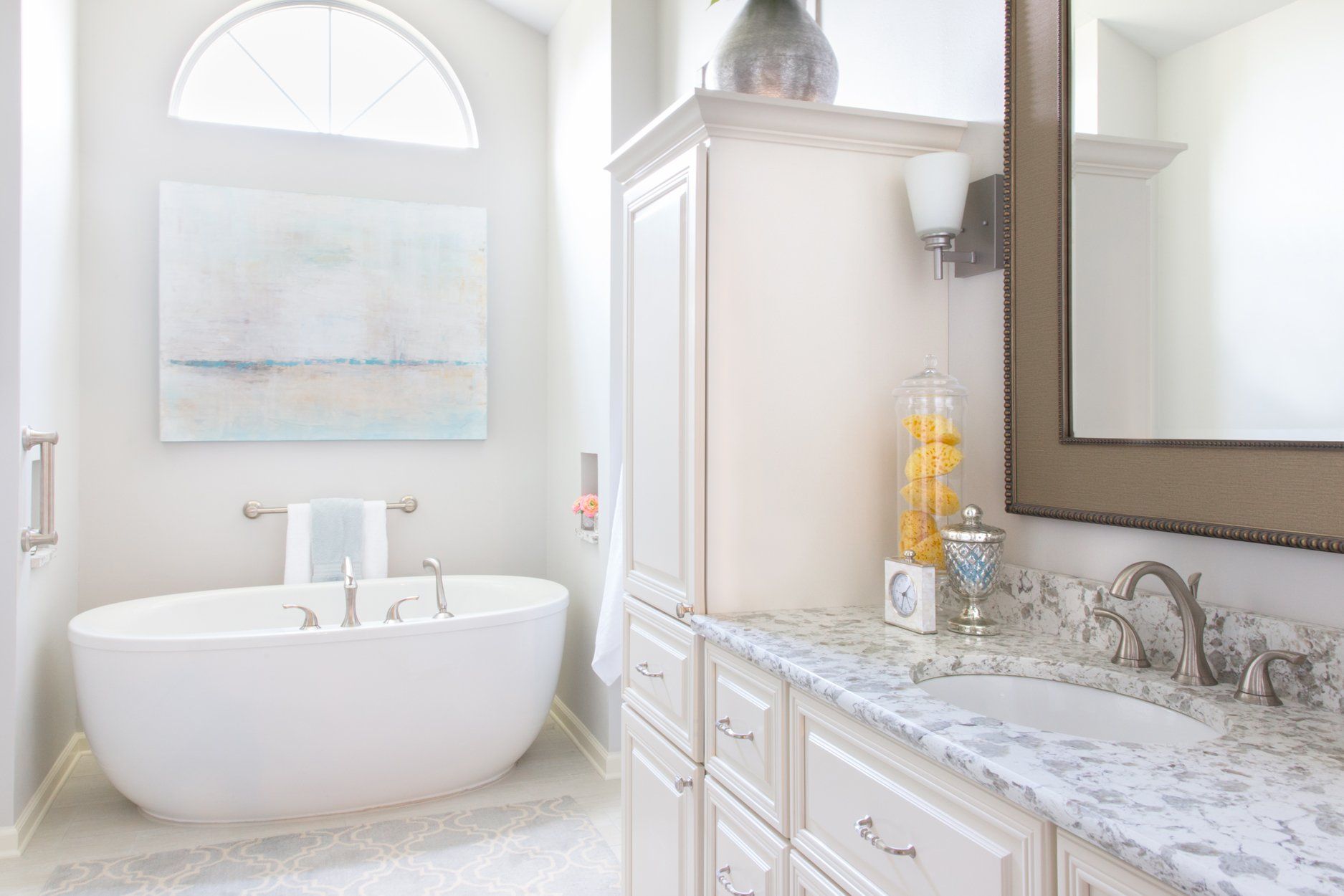
Bathrooms consistently rank as the most hazardous space in the home and the most important to get right.
Strategic upgrades include:
- Installing secure grab bars near toilets and inside showers
- Replacing tubs with curbless, walk-in showers
- Adding slip-resistant flooring instead of tile or polished stone
- Upgrading to layered lighting for better visibility
Modern design has come a long way. Today’s safety features can blend seamlessly into high-end finishes, avoiding the “clinical” look many homeowners want to avoid. The key is proactive design, not reactive fixes.
How Can You Make Stairs Safer or Eliminate Them Altogether?
Stairs are one of the biggest long-term challenges for aging in place. Even for active adults, they introduce daily risk.
To improve safety:
- Install handrails on both sides for stability
- Add high-contrast, non-slip stair treads
- Increase lighting to eliminate shadows
- Consider a stair lift for multi-story homes
In some renovations, the smarter long-term move is rethinking the layout entirely, creating a primary living space on the first floor to reduce reliance on stairs.
How Can You Reduce Trip Hazards at Home for Aging Adults?
Many fall risks are subtle and easy to overlook until something goes wrong.
Common culprits include:
- Loose rugs that shift underfoot
- Uneven flooring transitions between rooms
- Slick surfaces like polished concrete or tile
Replacing these with continuous, non-slip flooring can significantly reduce risk. In many homes, removing rugs altogether is one of the simplest and most effective safety upgrades.
How Do You Improve Home Lighting for Safer Aging in Place?
Poor lighting quietly contributes to a high number of household accidents. As vision changes with age, contrast and brightness matter more than ever.
Focus on:
- Bright, evenly distributed overhead lighting
- Motion-activated night lighting in hallways and bathrooms
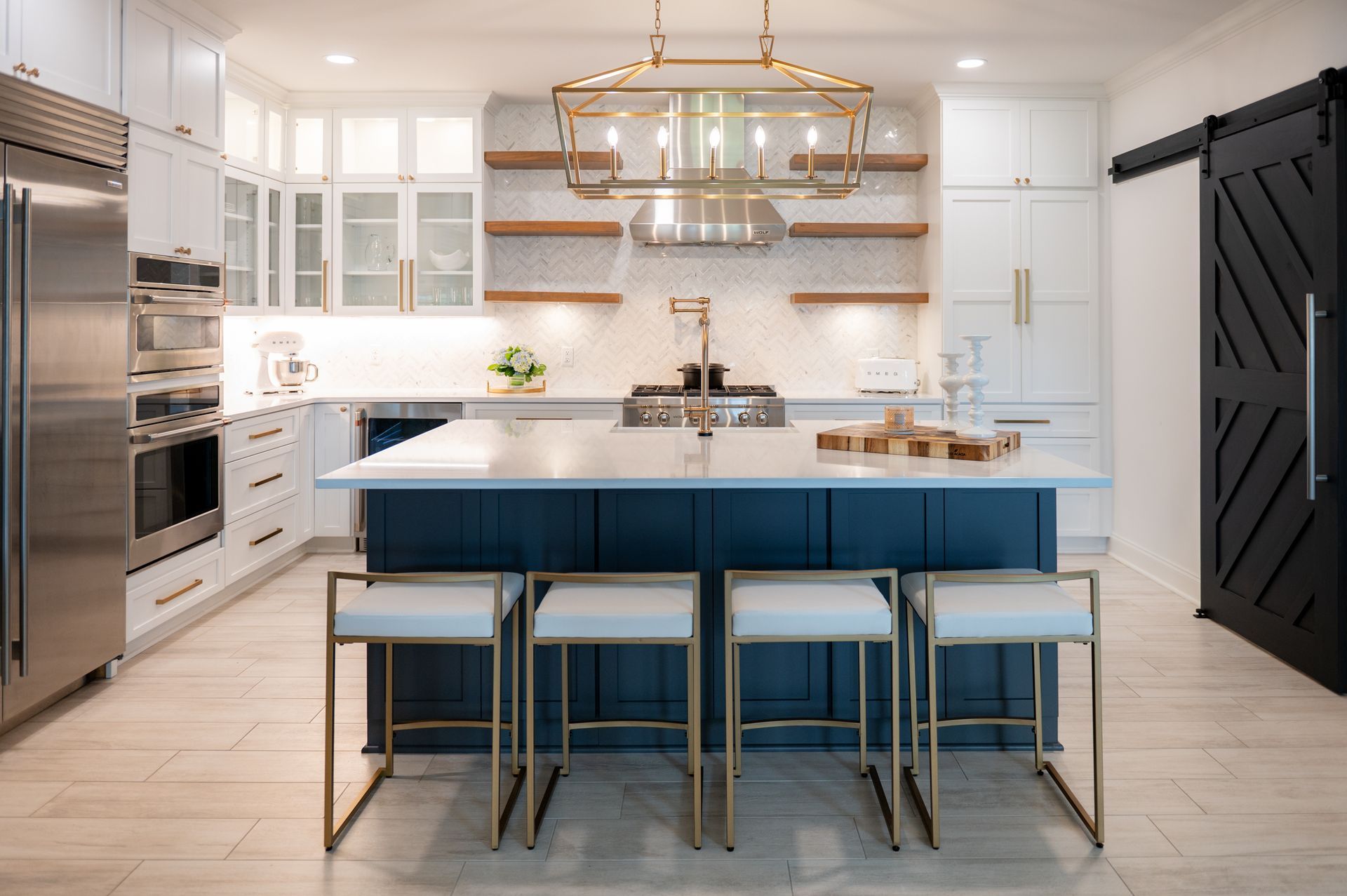
- Task lighting in kitchens and work areas
Simple additions like under-cabinet lighting or toe-kick LEDs can make nighttime navigation safer without disrupting sleep. It’s a small change with a big impact.
What Kitchen Upgrades Improve Both Safety and Daily Function?
The kitchen should support independence, not create obstacles.
Smart upgrades include:
- Pull-out shelves and drawers to eliminate bending and reaching
- Keeping frequently used items at waist to shoulder height
- Induction cooktops that reduce burn risk
- Touchless or lever-handle faucets for easier use
These improvements don’t just enhance safety; they make everyday tasks more efficient and comfortable.
How Do Entryways and Layout Changes Support Long-Term Accessibility?
One of the most valuable upgrades is also one of the most overlooked: how you enter and move through the home.
Consider:
- Step-free or ramped entryways
- Wider doorways for mobility aids
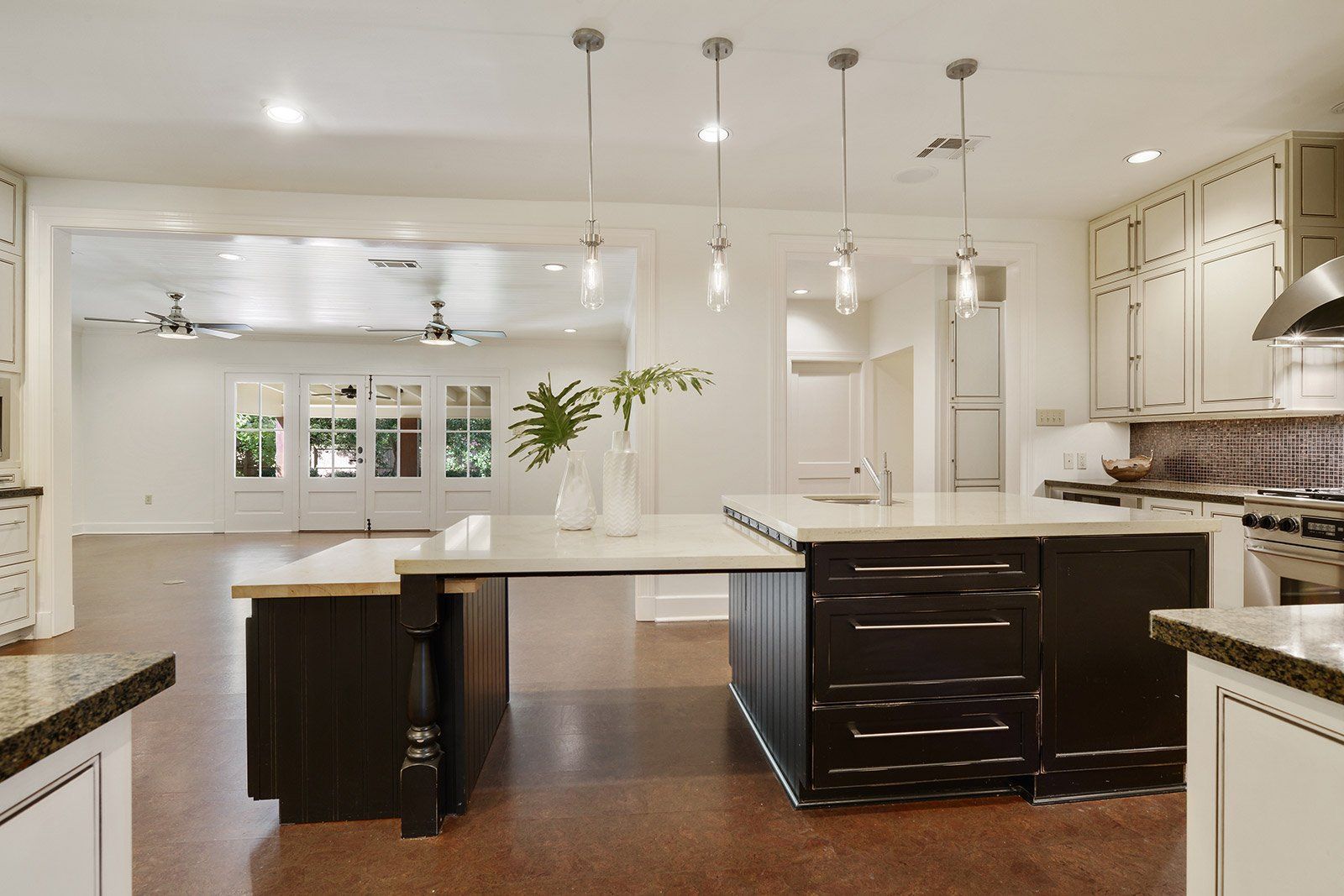
- Open layouts that reduce tight turns and obstacles
These changes create a home that adapts over time, rather than one that requires constant adjustments.
Create a Safer Home for Aging Parents with Acadian House Design + Renovation
A safe home is not just about preventing accidents. It is about preserving independence, dignity, and quality of life.
The most effective aging-in-place renovations are the ones you barely notice, because they feel like a natural part of the home. They’re thoughtfully integrated into the design, blending seamlessly with the look and feel of your home while quietly improving safety and accessibility.
That’s why homeowners turn to Acadian House Design + Renovation. With Certified Aging-in-Place Specialists (CAPS) and a design-build approach, we help plan spaces that evolve with the needs of aging homeowners, creating a cohesive plan that aligns safety, function, and high-end design from the start.
If you’re planning ahead for yourself or a loved one, consider this: what changes can you make now to create a safer, more adaptable space later?
Because when it comes to aging in place, smart design is the foundation of peace of mind.