

Angela Poirrier
Making decisions about aging parents is rarely simple. One question tends to rise to the top: Should we modify their home for aging in place, or transition them to assisted living?
The answer isn’t just financial. It’s emotional, practical, and deeply personal. Understanding the real differences between aging-in-place renovations and assisted living can help you make a confident, informed decision that protects both quality of life and long-term well-being.
What Are the Benefits of Aging in Place Renovations?
For many families, aging in place feels like the most natural path. Staying at home allows older adults to remain in a familiar environment surrounded by memories, routines, and community.
Key benefits include:
- Greater independence and autonomy
- Stronger emotional well-being
- Continued connection to neighbors, friends, and local support systems
- Reduced stress compared to relocating
According to AARP, nearly 77% of adults over 50 prefer to age in place. That preference is especially strong in areas like South Louisiana, where family ties and community roots run deep.
However, aging in place only works when the home is properly designed for safety and accessibility.
How Much Do Aging-in-Place Renovations Cost in Louisiana?
One of the biggest misconceptions is that home renovations are always more expensive than assisted living. In reality, they are often the opposite.
In areas like Baton Rouge, most aging-in-place renovations range from $25,000 to $85,000, depending on scope. Common upgrades include:
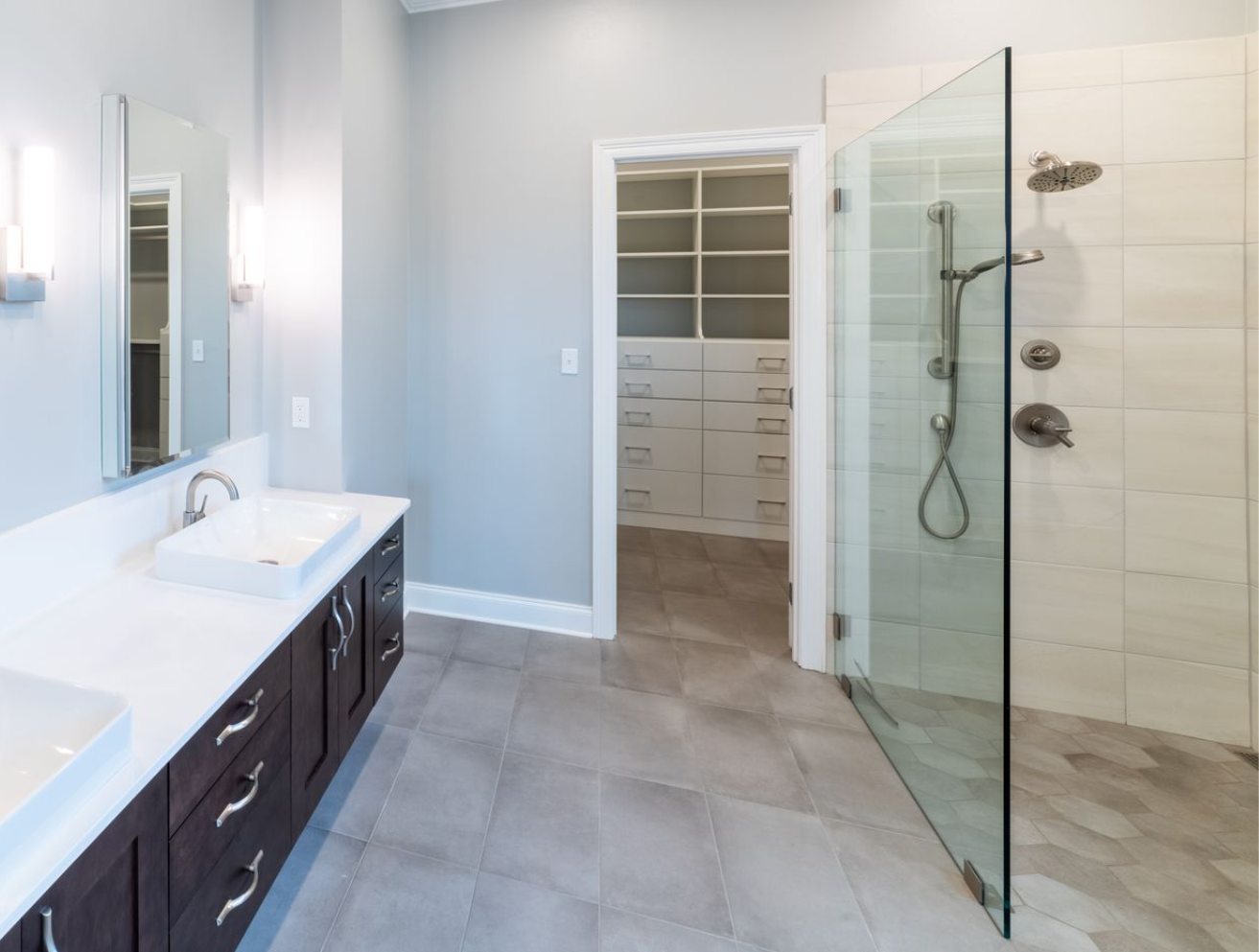
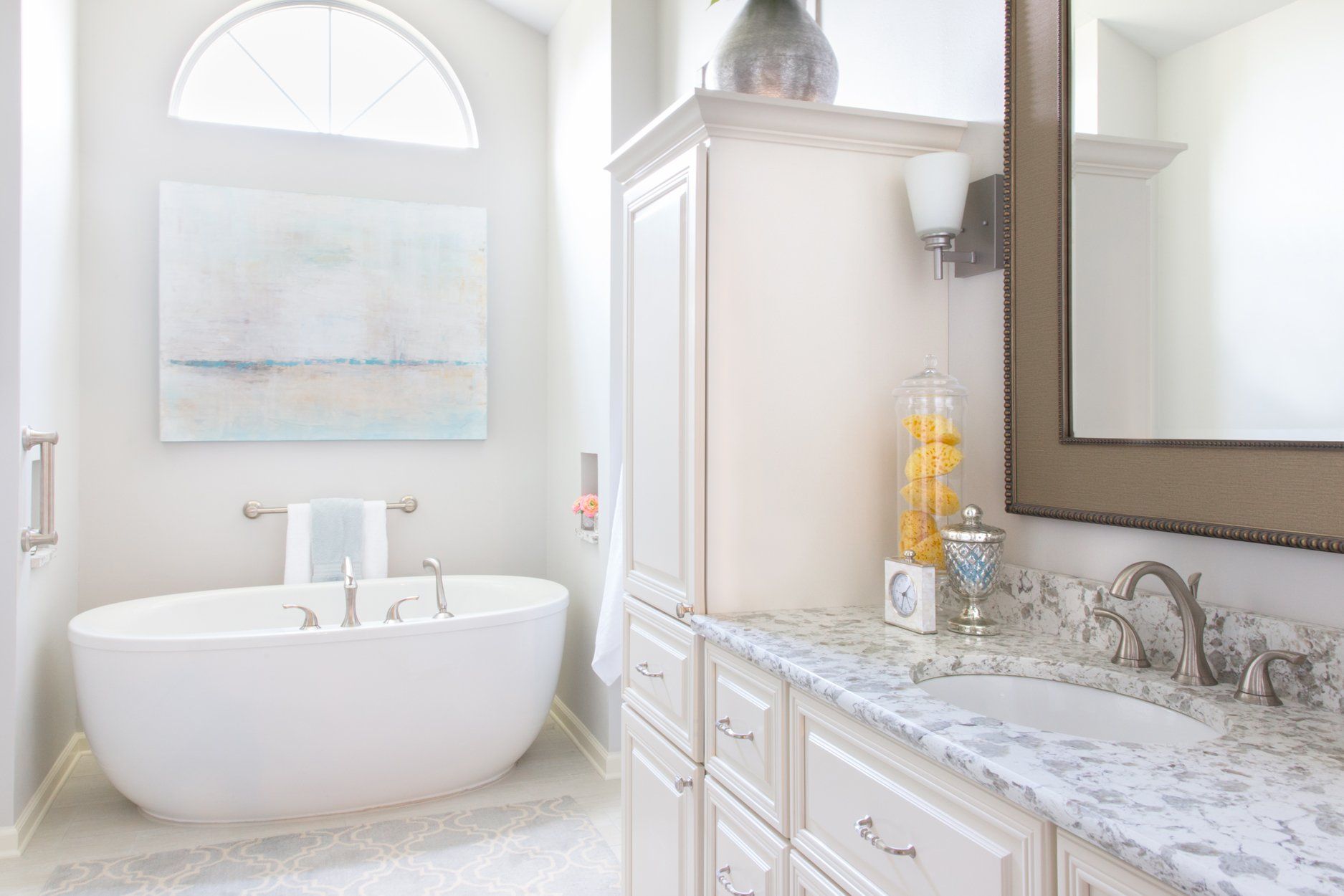
- Walk-in showers and zero-threshold entries
- Wider doorways for mobility devices
- Non-slip flooring
- Improved lighting and visibility
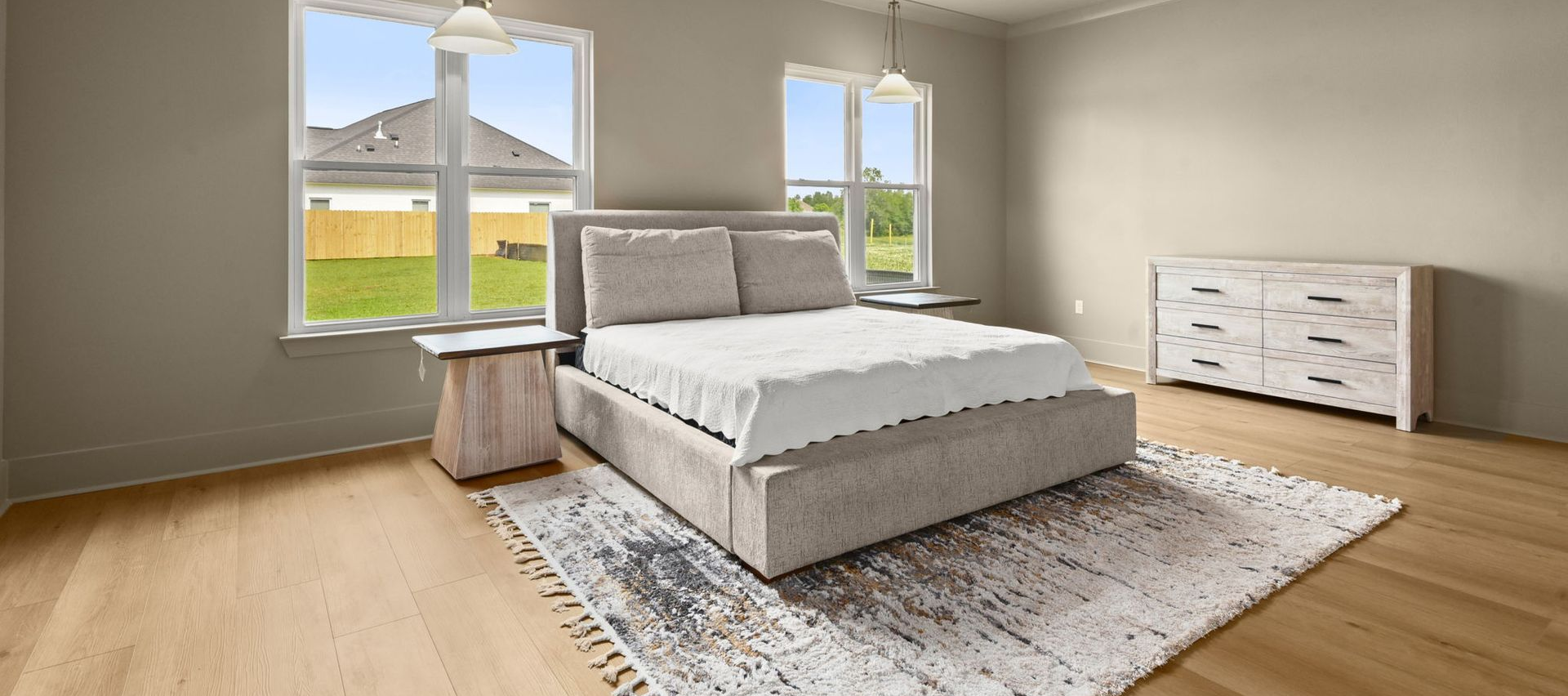
- First-floor bedroom and bathroom conversions
Unlike monthly care costs, these are typically one-time investments that increase both safety and long-term home value.
For families thinking long-term, this can be a strategic financial decision, not just a lifestyle choice.
What Does Assisted Living Actually Provide?
Assisted living communities offer a structured environment designed to support daily needs. This can be the right solution when consistent care is required.
Typical services include:
- Help with daily activities (bathing, dressing, medication management)
- Meal preparation and housekeeping
- Built-in social opportunities and activities
- On-site or on-call medical support
The trade-off is cost and lifestyle adjustment. The national median cost is approximately $5,100 per month, or over $60,000 annually, according to Genworth’s Cost of Care Survey.
Beyond cost, families should consider:
- Reduced privacy and independence
- Emotional challenges of leaving home
- Adjustment to a new environment and routine
For individuals who need frequent or 24-hour care, assisted living may not just be helpful; it may be necessary.
When Is Aging in Place the Better Choice?
Aging in place is often the best fit when:
- The individual is relatively independent
- The home can be safely modified
- Family or in-home care support is available
- The goal is to maintain lifestyle continuity
With the addition of smart home technology, aging in place is more viable than ever. Features like fall detection systems, remote health monitoring, and medication reminders can bridge many of the traditional care gaps.
When Does Assisted Living Make More Sense?
There are situations where assisted living is the safer and more practical choice.
Consider this option if:
- Daily assistance is required for multiple activities
- There are complex medical needs
- Safety risks cannot be fully addressed through renovation
- Social isolation is a concern
In these cases, access to consistent care and supervision can significantly improve overall quality of life.
Is Aging in Place Still Possible with Increasing Care Needs?
For many families, the best solution isn’t one or the other. It’s a hybrid approach.
This may include:
- Strategic home renovations for safety and accessibility
- Part-time or full-time in-home care services
- Technology for monitoring and communication
- Gradual transitions based on changing health needs
This flexible approach allows families to adapt over time instead of making a single, permanent decision upfront.
How Do You Evaluate the Right Long-Term Care Option for Your Family?
Choosing between renovating and assisted living comes down to three core factors:
- Level of care needed now and in the future
- Financial strategy and long-term costs
- Emotional readiness for change
There’s no universal answer, and that’s exactly the point. The right decision is the one that balances safety, dignity, and quality of life for your loved one.
What Should You Prioritize When Planning for Senior Living?
At the end of the day, this decision isn’t about choosing a house or a facility. It’s about choosing a lifestyle.
Do you want to create a home that evolves with your loved one’s needs? Or would a supportive community environment provide greater peace of mind?
Both paths can be the right one. The key is understanding the trade-offs and planning proactively rather than reactively.
If you’re starting this conversation now, you’re already ahead, and that makes all the difference.
When you're ready to explore what aging-in-place renovations could look like for your home, the team at Acadian House Design + Renovation is here to help.
As a CAPS-Certified design-build firm serving the Greater Baton Rouge area, we specialize in creating beautiful, functional spaces that support the way your family actually lives, now and in the years to come.
Reach out today to start a conversation with our team.