

Angela Poirrier
A common concern homeowners have when planning for aging in place is simple: Will my home start to feel clinical?
The short answer is no. Today’s aging-in-place design has evolved far beyond bulky grab bars and institutional finishes. Modern solutions prioritize both safety and aesthetics, allowing you to create a home that feels elevated, comfortable, and future-ready.
If you are thinking about long-term livability, the goal is not to add safety features later. It is to design a home where safety is built in from the start.
How Can Safety Features Be Designed to Blend Seamlessly Into Your Home?
The difference between a home that feels intentional and one that feels retrofitted comes down to planning.
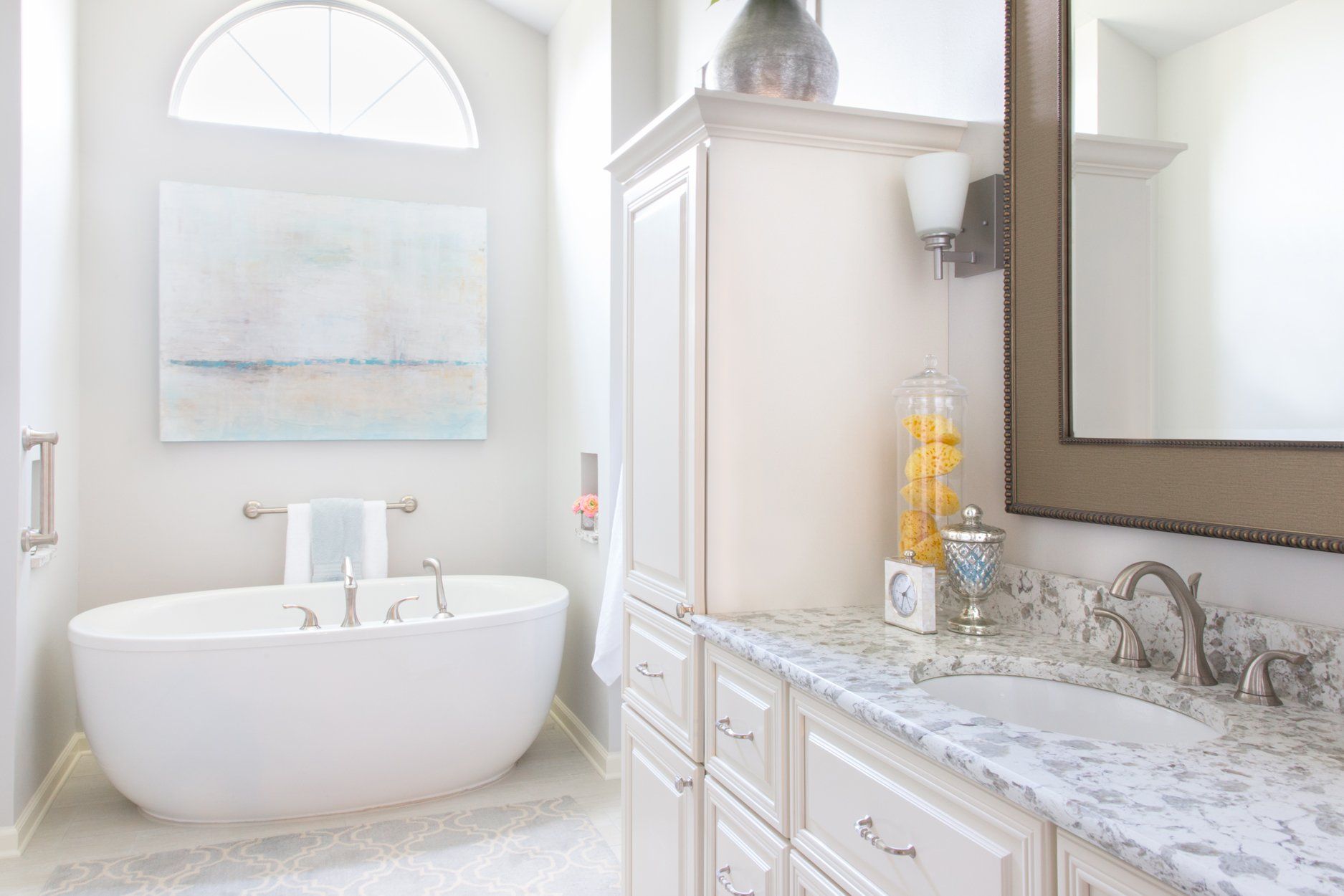
Instead of treating accessibility features as add-ons, they should be integrated into the design from day one. For example, modern grab bars are available in matte black, brushed brass, and polished nickel finishes that match your existing hardware. When selected thoughtfully, they read as part of the design rather than a medical necessity.
This approach aligns with recommendations from the National Institute on Aging, which emphasizes proactive home modifications to reduce fall risks while maintaining independence.
What Are the Best Bathroom Design Upgrades for Safety and Style?
Bathrooms are one of the most impactful areas to focus on when improving home safety.
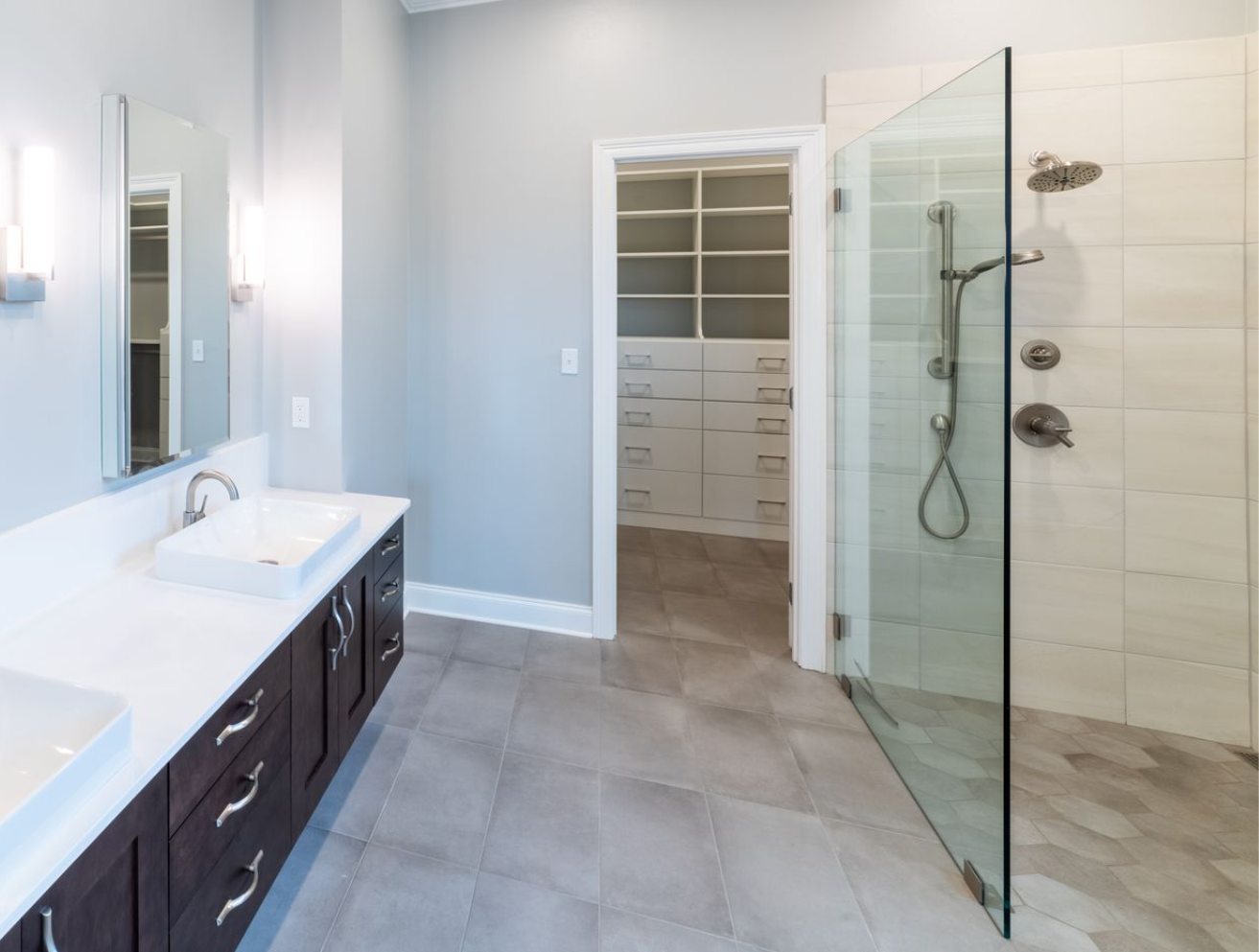
The right upgrades can transform the space into something that feels more like a spa than a renovation driven by necessity:
- Curbless walk-in showers that create a clean, open look
- Built-in shower seating designed to feel architectural, not added on
- Linear drains that enhance both drainage and modern aesthetics
- Coordinated fixtures that unify the overall design
These upgrades address that risk while elevating the entire space.
Which Flooring Options Improve Safety Without Looking Outdated?
Flooring plays a major role in both safety and visual appeal.
Many homeowners assume non-slip flooring will look industrial, but that is no longer the case. Today’s materials are designed to deliver both traction and style:
- Textured porcelain tile that mimics natural stone
- Luxury vinyl plank that offers the warmth of wood with added grip
- Matte finishes that reduce glare and improve stability
Larger format tiles can also minimize grout lines, creating a cleaner look while reducing tripping hazards.
How Does Lighting Improve Both Safety and Interior Design?
Lighting is one of the most overlooked elements in aging-in-place design, yet it has a major impact on both safety and ambiance.
A layered lighting strategy ensures your home is both functional and visually appealing:
- Ambient lighting provides overall illumination
- Task lighting improves visibility in key areas like kitchens and bathrooms
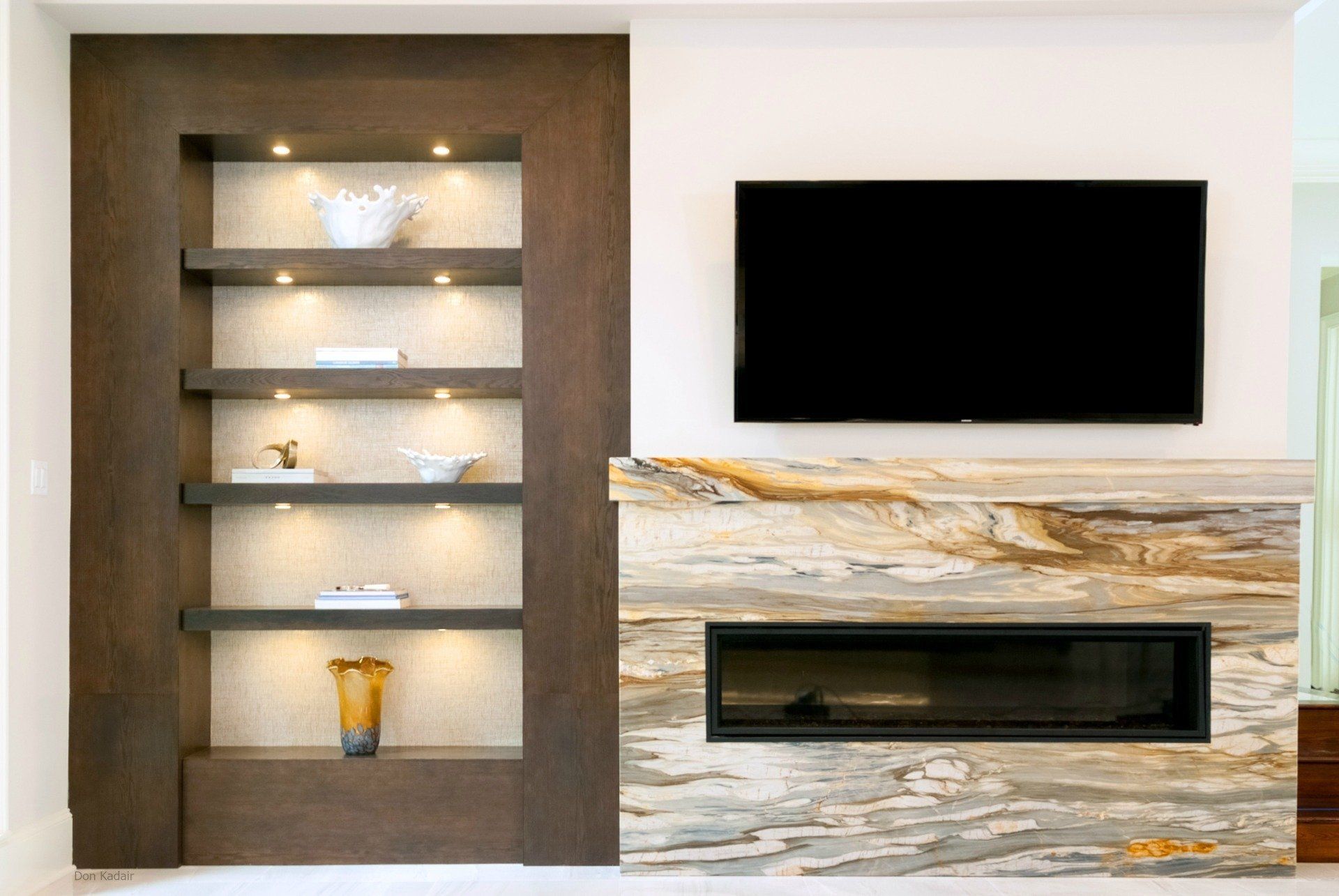
- Accent lighting highlights architectural features and adds depth
Simple additions like motion-activated lighting in hallways or bathrooms can significantly reduce nighttime fall risks while maintaining a soft, welcoming environment.
Can Better Organization Make Your Home Safer?
Safety is not always about what you add. Sometimes it is about what you remove.
Cluttered walkways and overcrowded spaces increase the risk of trips and falls. A more intentional layout can improve both safety and daily comfort.
Consider:
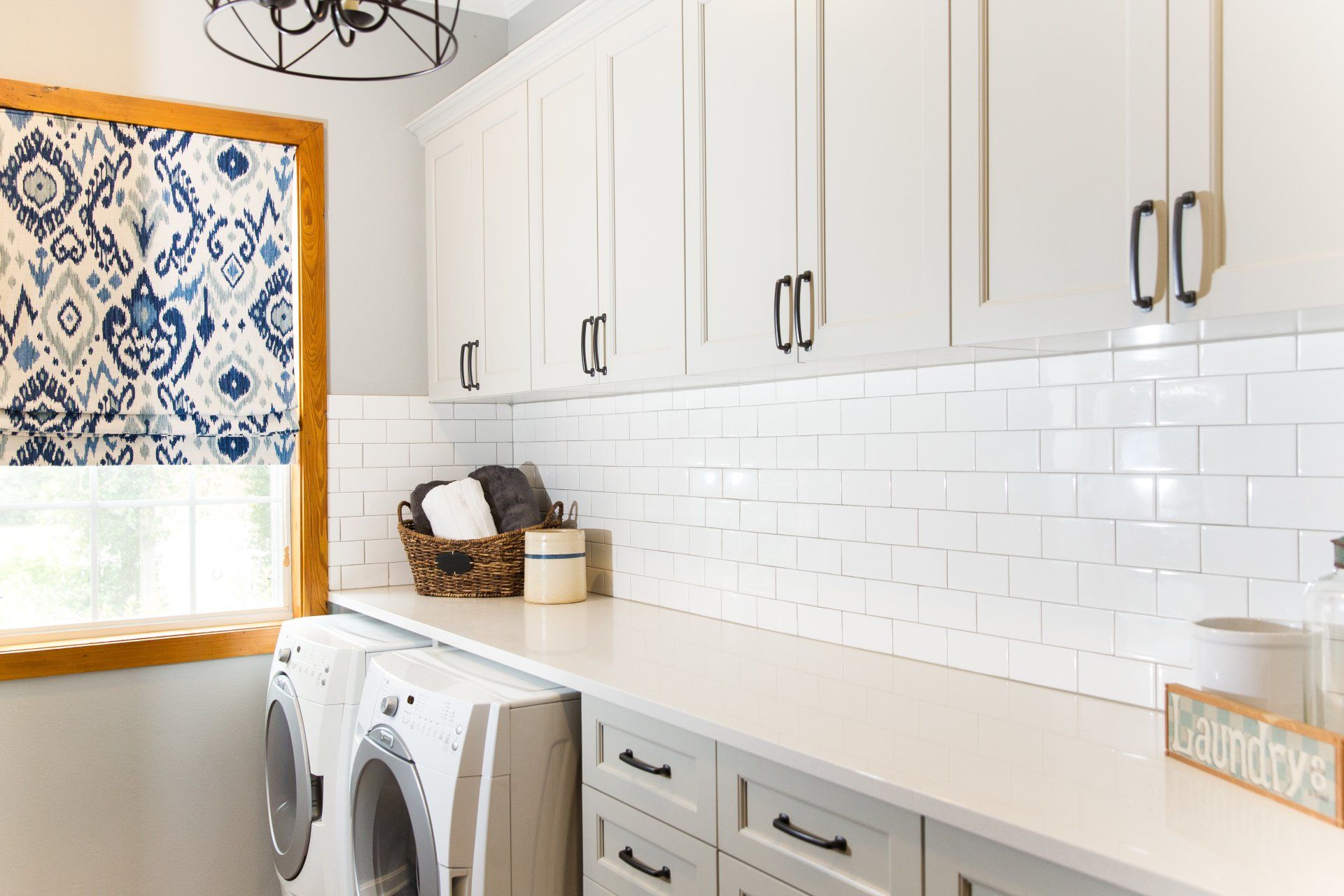
- Built-in storage that reduces visual clutter
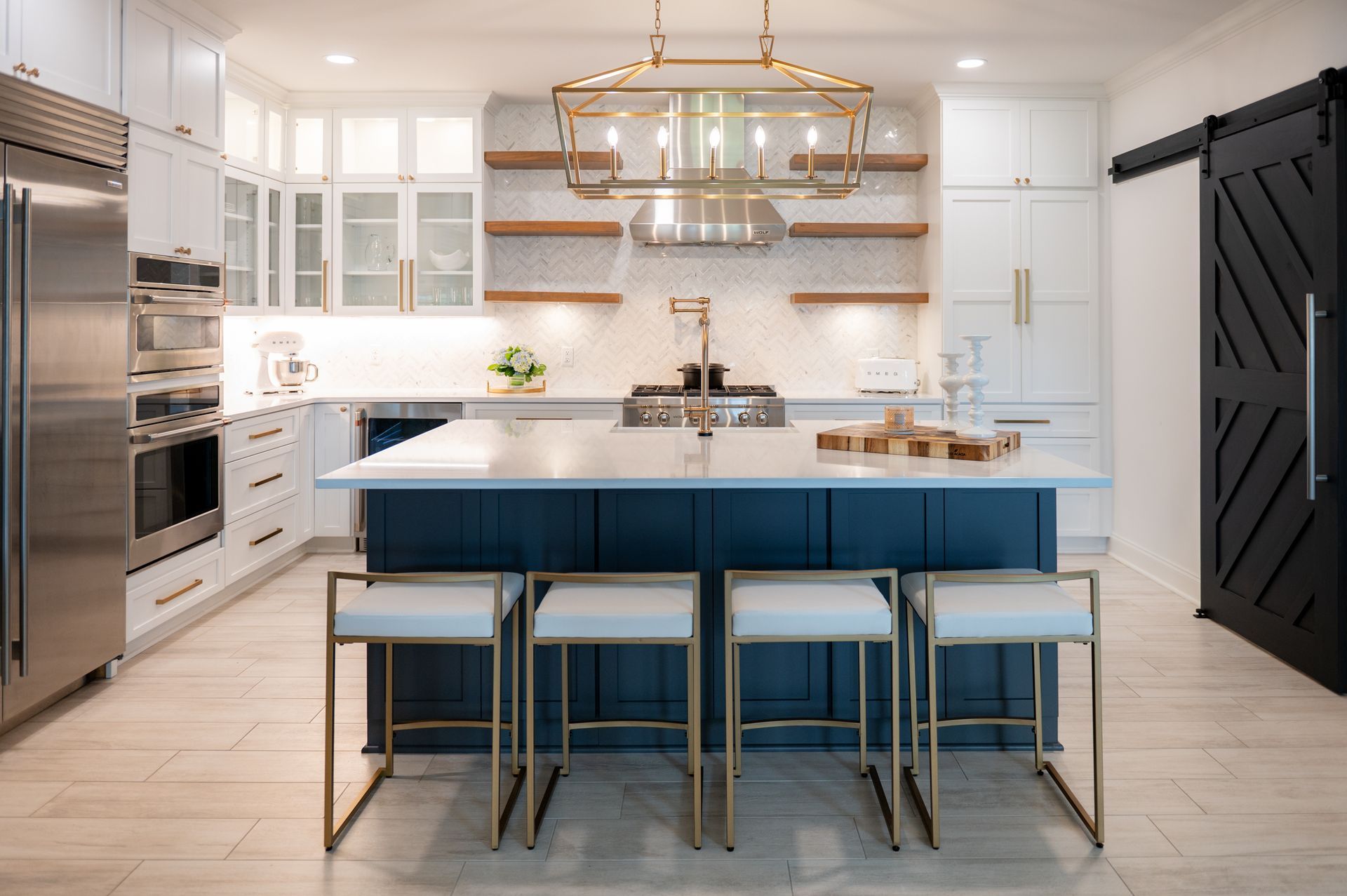
- Custom cabinetry that keeps essentials within reach
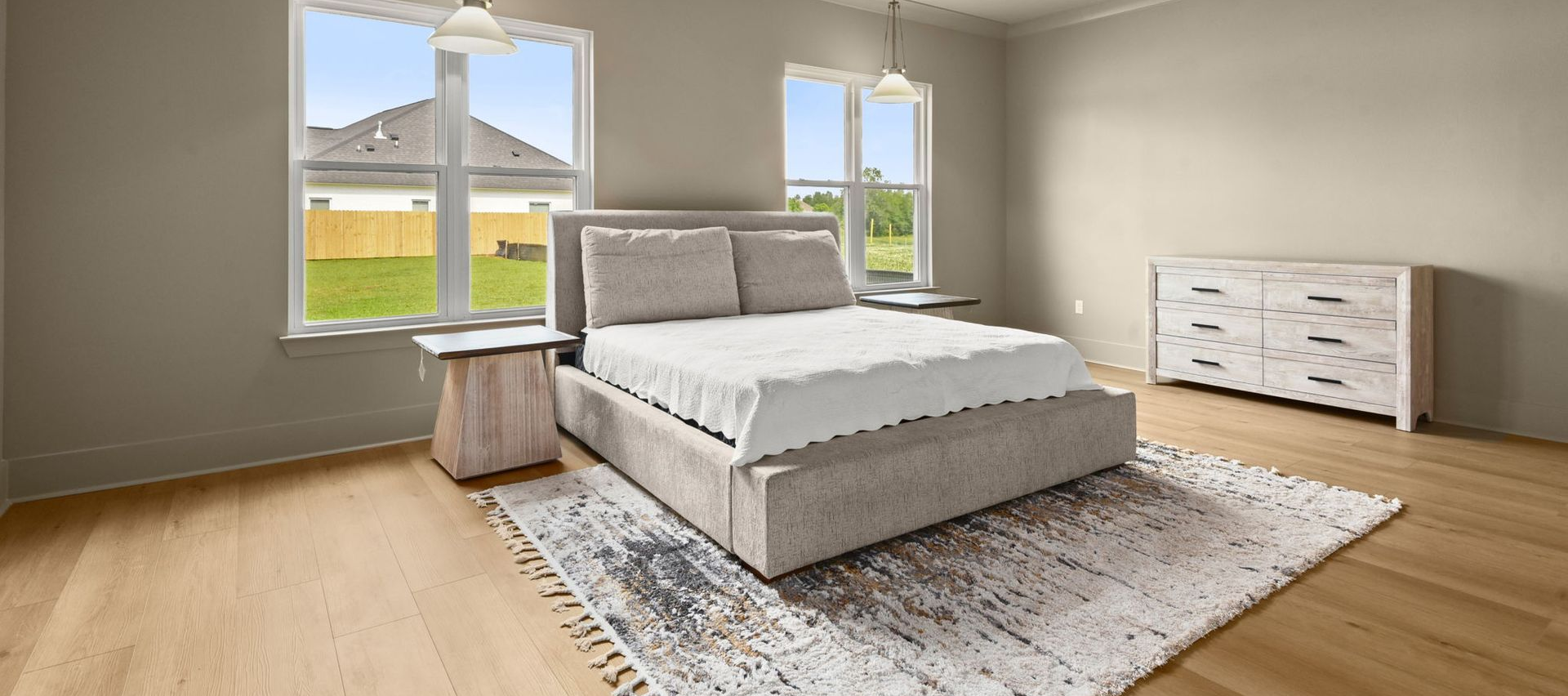
- Furniture layouts that prioritize clear pathways
A well-organized home does not just feel better. It functions better.
Why Should You Work With a CAPS Certified Design Team for Aging-in-Place Renovations?
Blending safety with high-end design requires more than good taste. It requires experience.
At Acadian House Design + Renovation, our CAPS Certified team brings that experience to every project. We work with Baton Rouge homeowners to plan renovations that are built around how you want to live, now and in the years ahead.
A professional CAPS Certified design-build team understands how to:
- Plan layouts that support long-term mobility
- Select materials that balance durability and aesthetics
- Integrate safety features without disrupting the overall design
This is where many DIY or piecemeal upgrades fall short. Without a cohesive plan, safety features can feel disconnected from the home's style. When Acadian House leads the process, every element is chosen with intention, so the finished result feels like a natural expression of your home rather than an afterthought.
What Does a Future-Ready Home Really Look Like?
Aging in place is not about preparing for limitations. It is about designing a home that continues to support your lifestyle over time.
When done right, these upgrades do not stand out. They simply make your home easier, safer, and more enjoyable to live in every day.
The best part is that you do not have to choose between safety and style. You can have both.
If you are considering a renovation, now is the time to think ahead. How do you want your home to function five, ten, or twenty years from now?
Designing with that future in mind is what turns a good home into one that truly works for you.